|
|
|
|
August 21, 2025
|
Hackers Infiltrate Alleged North Korean Operative’s Computer, Leak Evidence of...
|
|
August 21, 2025
|
Ecosia Proposes Unusual Stewardship Model for Google Chrome
|
|
August 21, 2025
|
OpenAI Presses Meta for Evidence on Musk’s $97 Billion Takeover Bid
|
|
August 15, 2025
|
ChatGPT Mobile App Surpasses $2 Billion in Consumer Spending, Dominating Rivals
|
|
|
Auriga Space Aims to Revolutionize Rocket Launches with Hypersonic Magnetic Track
July 15, 2025
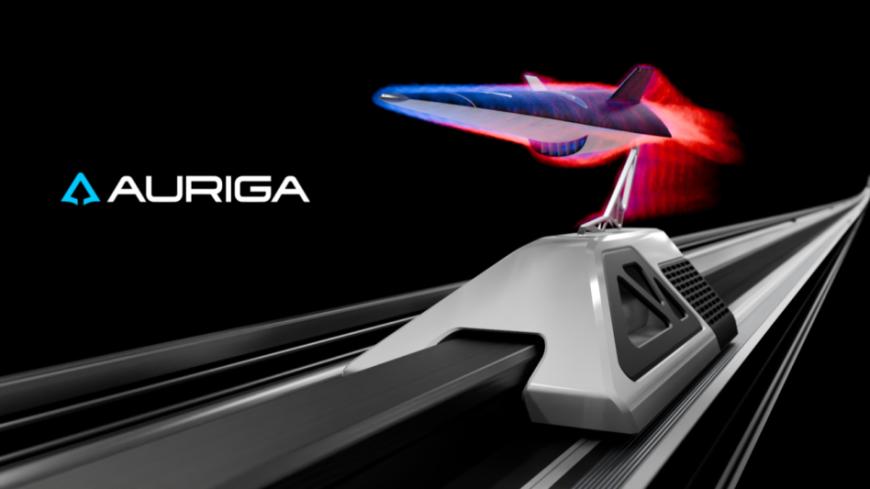 While U.S.-based companies are launching more payloads into orbit than ever before, they still face a major limitation: the inefficiency of traditional rockets. Most of a rocket’s weight is propellant, burned just to overcome Earth’s gravity and atmosphere. That makes launches costly, slow, and infrequent.
Enter Auriga Space, a California-based startup with a bold vision to change the game entirely. Instead of relying on a conventional first-stage rocket booster, Auriga is developing a launch track powered by electricity and magnets to accelerate rockets to hypersonic speeds before they even ignite their engines.
How It Works: Magnets and Hypersonic Speed
Auriga’s system uses powerful electromagnets to propel a small rocket along a track at more than six times the speed of sound. The track ends with a steep ramp, allowing the rocket to launch into the sky at hypersonic velocity. The rocket then ignites its engine for the final push into orbit.
This method promises huge savings in propellant because the rocket doesn’t need to burn fuel to fight gravity and atmosphere during its initial acceleration. Plus, the ground-based infrastructure is fully reusable and can be operated rapidly for multiple launches.
“Less than 2% of the mass of the rocket is what gets into space,” explained Auriga founder and CEO Winnie Lai. “Our goal is to make space launch more efficient, bring down the cost, and enable much more frequent launches.”
Not a New Idea — But Now Possible
Electromagnetic launch systems aren’t new—they’re similar in concept to railguns or maglev trains. But recent advances in power electronics, including the ability to handle higher voltages and power levels, have made Auriga’s approach both technologically and commercially viable for the first time.
Auriga recently closed a $4.6 million seed round led by European VC firm OTB Ventures, along with $1.4 million in AFWERX and SpaceWERX contracts. Altogether, the startup has raised $12.2 million from venture capital and Department of Defense grants.
Challenges & Custom Solutions
Designing the final system—like the track length and rocket size—is still in progress. One challenge is the high acceleration forces (G-loads) on the rocket and payload during the rapid launch.
Auriga has conducted initial studies showing that many satellite components can survive higher G-loads than previously assumed. The company is also exploring custom modifications to payloads to help them withstand the intense launch conditions. If needed, they can lengthen the track to reduce acceleration forces.
“Missiles and munitions survive very high Gs,” said Lai. “We’re confident many payloads can too, but we’re still defining the specifics.”
Testing & Market Plans
Auriga plans to launch first with hypersonic ground tests:
Prometheus: An indoor lab-scale track, set for commercialization early next year
Thor: An outdoor full-scale hypersonic test accelerator
These test facilities aim to fill a major gap in the market. Currently, affordable and flexible testing infrastructure for hypersonics is scarce. Auriga’s system will let customers run multiple tests on the same test article—weather, aerodynamic, impact—at lower cost and higher frequency.
Addressing Responsive Launch Demand
The U.S. Space Force and others are pushing for responsive launch capabilities—the ability to get payloads into orbit on very short notice.
While some companies have launched rockets with about 24 hours’ notice, Auriga wants to take this much further. Lai envisions a future where launching to space is as easy and fast as calling an Uber.
“I think that should be the case for space as well,” she said.
Auriga Space’s magnetic launch track could reshape how we get to orbit—making space more accessible, affordable, and responsive to the needs of defense, research, and commercial customers alike.
|
|
|
Sign Up to
Our Newsletter!
Get the latest news in tech.
|
|
|
