|
|
|
|
August 21, 2025
|
Hackers Infiltrate Alleged North Korean Operative’s Computer, Leak Evidence of...
|
|
August 21, 2025
|
Ecosia Proposes Unusual Stewardship Model for Google Chrome
|
|
August 21, 2025
|
OpenAI Presses Meta for Evidence on Musk’s $97 Billion Takeover Bid
|
|
August 15, 2025
|
ChatGPT Mobile App Surpasses $2 Billion in Consumer Spending, Dominating Rivals
|
|
|
China’s Geely Is Taking Zeekr Private Amid U.S. Delisting Fears
July 15, 2025
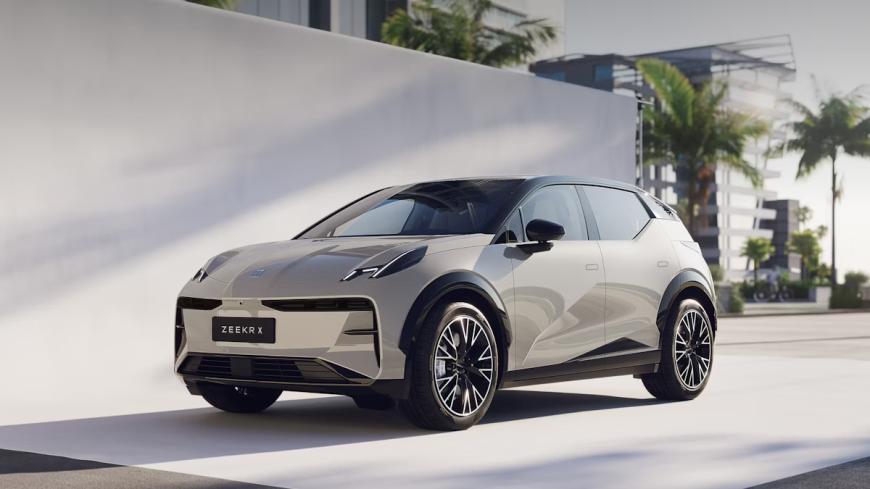 Just over a year after going public on the New York Stock Exchange, Zeekr, the luxury electric vehicle (EV) brand owned by China’s Geely Auto, is heading back into private hands.
The move, announced this week, follows growing geopolitical pressure and threats from former U.S. President Donald Trump to delist Chinese companies from U.S. stock exchanges. In May, Geely made an offer to buy out Zeekr shareholders—and now the deal is official.
Buyout Terms: Cash or Shares
Under the terms of the deal, Zeekr shareholders will have the option to receive:
$2.69 in cash per share, or
1.23 newly issued Geely shares per Zeekr share
For holders of Zeekr ADSs (American depositary shares, each representing 10 ordinary shares), the offer translates to:
$26.87 in cash, or
12.3 Geely shares, delivered as Geely ADSs
This revised offer is slightly higher than Geely’s initial May proposal. Investors can choose between cash or stock—except for certain Hong Kong retail investors, who will automatically receive cash.
The Zeekr board has approved the merger, which is expected to close in Q4 2025.
Why Go Private?
The decision to delist and go private is seen as a strategic response to rising regulatory tension between the U.S. and China, especially concerning data security, transparency, and national interest. Trump’s renewed threat of delisting Chinese companies—alongside existing SEC scrutiny—may have pushed Geely to act swiftly.
It also signals a potential trend: more Chinese companies seeking domestic or alternative international listings to reduce their exposure to volatile U.S. politics and regulatory risk.
What About Waymo?
The delisting raises questions about Zeekr’s ongoing partnership with Waymo, Google’s self-driving unit. The two companies have been collaborating on custom-built robotaxis designed specifically for large-scale U.S. deployment.
Waymo has been testing Zeekr vehicles in San Francisco, with plans to expand in the Bay Area this year. While the buyout may not directly impact the partnership, it does add a layer of uncertainty—particularly if U.S.–China relations further deteriorate.
What’s Next?
The move to take Zeekr private could allow the brand to operate more flexibly, away from the scrutiny of quarterly earnings reports and regulatory filings. For Geely, it tightens control over one of its most high-profile EV initiatives—at a time when the global electric vehicle market is growing fiercely competitive.
Still, all eyes will be on whether the U.S. government imposes broader restrictions on Chinese auto or AI companies operating in domestic markets—and whether Zeekr’s robotaxis will truly make it to American roads at scale.
|
|
|
Sign Up to
Our Newsletter!
Get the latest news in tech.
|
|
|
