|
|
|
|
August 21, 2025
|
Hackers Infiltrate Alleged North Korean Operative’s Computer, Leak Evidence of...
|
|
August 21, 2025
|
Ecosia Proposes Unusual Stewardship Model for Google Chrome
|
|
August 21, 2025
|
OpenAI Presses Meta for Evidence on Musk’s $97 Billion Takeover Bid
|
|
August 15, 2025
|
ChatGPT Mobile App Surpasses $2 Billion in Consumer Spending, Dominating Rivals
|
|
|
Belkin to Sunset Wemo Smart Home Line, Leaving Thousands of Devices Stranded
July 10, 2025
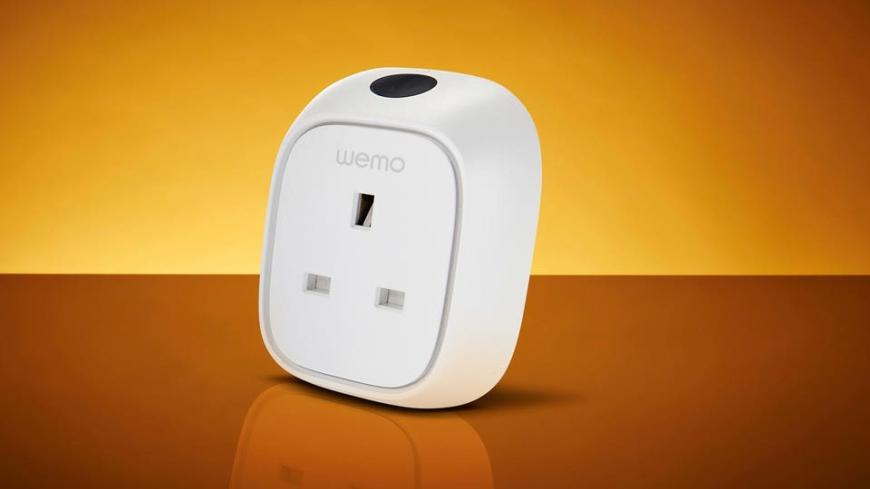 In yet another blow to the smart home market, Belkin announced it will officially end support for its Wemo smart home products on January 31, 2026 — signaling the discontinuation of an entire ecosystem of connected devices. This decision will not only affect software and firmware updates but also disable essential features for users who have integrated Wemo deeply into their homes.
The company confirmed via email to customers that the Wemo app will be discontinued, and cloud-based features — such as remote access, voice assistant integrations, and firmware updates — will cease to function. The impact spans a wide array of products: smart plugs, switches, lights, motion sensors, cameras, kitchen appliances, and even air purifiers and baby monitors.
“This decision was not made lightly,” Belkin said in its customer email. “As technology evolves, we must focus our resources on different parts of the Belkin business.”
In short, the company is shifting its priorities away from the smart home sector, and Wemo — once a flagship brand — is being phased out. Belkin says products still under warranty by the shutdown date may be eligible for partial refunds, though the criteria for eligibility weren’t clearly defined. Products integrated via Apple’s HomeKit will continue to work in local-only mode, but many other smart features — especially those dependent on Belkin’s cloud infrastructure — will become obsolete.
By February 2026, Belkin will offer no technical support, software or firmware updates, or troubleshooting assistance for Wemo devices. Customers relying on these for daily routines, security, or environmental control will need to start planning replacements.
This development is part of a broader — and growing — trend: major tech companies retiring smart devices that, while still operational, are no longer considered profitable or strategically relevant. Google’s recent decision to retire the first- and second-generation Nest Learning Thermostats is a prime example. Those devices will lose functionality after October 25, 2025, despite many of them still working well in homes today.
In Google’s case, the shutdown was packaged with a discount offer — $130 off a newer Nest thermostat — softening the blow while nudging users to upgrade. But such moves, while arguably practical from a corporate perspective, are stirring backlash among customers who are growing weary of “planned obsolescence” in the smart home market.
For consumers who bought into ecosystems like Wemo, these shutdowns can feel like a betrayal — especially when devices they rely on suddenly lose core functionality, despite being in good working order. It’s not just about gadgets; it’s about trust and long-term value.
Tech companies, including Belkin, have learned to protect themselves from potential class-action lawsuits by providing advance notice and offering limited incentives or refunds. They can argue that usage of these older devices is low, reducing liability while controlling the narrative.
Still, there’s no denying the sense of frustration building among users who’ve invested time and money into smart ecosystems that have quietly become fragile. What once seemed like the future of convenience now feels increasingly like a cycle of forced upgrades.
For Belkin’s loyal Wemo users, the road ahead is clear — and short. While HomeKit users may retain limited use, the full feature set Wemo once promised is coming to an end. Customers are now left with the option of migrating to another smart home platform — and weighing whether that investment will also vanish in a few short years.
Belkin has published a full list of the affected Wemo products, offering what may be the final word on a smart home brand that helped shape early adoption — but couldn’t keep up with evolving business priorities.
|
|
|
Sign Up to
Our Newsletter!
Get the latest news in tech.
|
|
|
