|
|
|
|
August 21, 2025
|
Hackers Infiltrate Alleged North Korean Operative’s Computer, Leak Evidence of...
|
|
August 21, 2025
|
Ecosia Proposes Unusual Stewardship Model for Google Chrome
|
|
August 21, 2025
|
OpenAI Presses Meta for Evidence on Musk’s $97 Billion Takeover Bid
|
|
August 15, 2025
|
ChatGPT Mobile App Surpasses $2 Billion in Consumer Spending, Dominating Rivals
|
|
|
Skechers Adds Hidden AirTag Compartment to Kids’ Shoes, Raising Privacy Questions
July 30, 2025
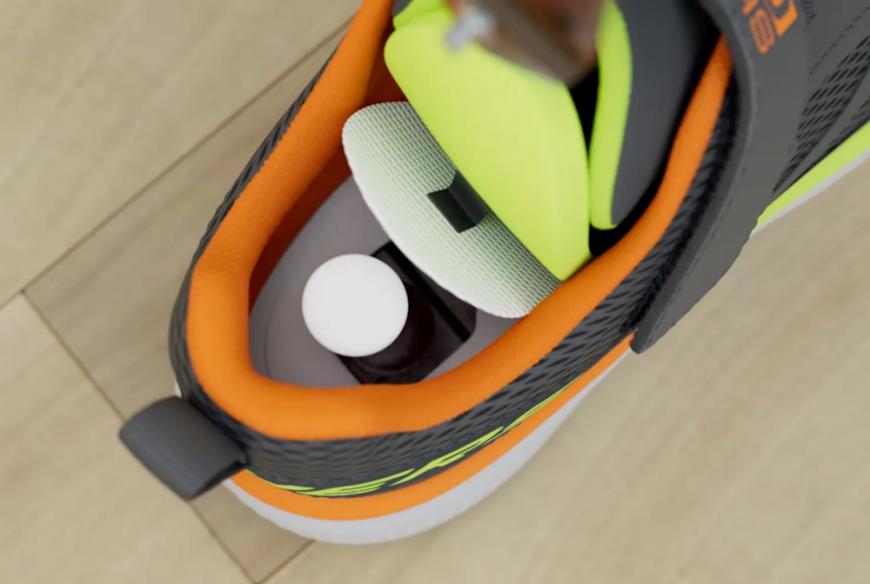 Skechers has quietly launched a new line of children's sneakers with a hidden compartment in the heel designed to hold an Apple AirTag, giving parents a discreet way to keep track of their child’s whereabouts — or at least, their shoes.
The feature is tucked inside the heel of the sneaker, where a small insert can be lifted to reveal a space just large enough for an AirTag. While the shoes do not come with the tracking device and do not appear to be an official collaboration with Apple, they are clearly designed with Apple’s item-tracking ecosystem in mind.
The product was first announced by Skechers in mid-July but received little attention until a recent report surfaced, highlighting the potential — and the concerns — of this low-profile launch.
Though Apple markets AirTags as tools for tracking objects, such as wallets, keys, or luggage, many parents have found creative ways to adapt the tech for tracking their kids. Products like AirTag-compatible bracelets, shoe inserts, and even decorative charms for kids' shoes already exist on the market.
Skechers' sneakers appear to be the first mainstream children’s shoe to integrate AirTag storage directly into the design, offering a more secure and less visible option for parents than loosely attaching a tracker.
But AirTags aren’t GPS-enabled devices. They rely on Bluetooth signals to ping nearby Apple devices, which then relay the tag’s approximate location back to the owner. That means they're not ideal for tracking fast-moving children or real-time location updates, especially if the child is in an area with few Apple devices nearby — like a moving school bus.
The move also reignites broader debates around privacy and surveillance, especially when it comes to tech embedded in clothing or accessories. While many parents view AirTag tracking as a safety measure, the technology has already been misused. There have been high-profile cases of AirTags being hidden in people’s belongings to stalk them, prompting Apple to introduce anti-stalking alerts to notify users when an unfamiliar AirTag is detected traveling with them.
Because these Skechers shoes are only available in kids' sizes, they are unlikely to be used for surveilling adults — at least for now. But the trend toward embedding tracking features into wearable products could have long-term implications. For example, similar technology might one day be marketed toward elder care, such as tracking adults with dementia, a potentially helpful but ethically complex use case.
As more consumer products adopt tracking features, the line between safety and surveillance continues to blur — raising important questions about consent, transparency, and the future of personal privacy.
|
|
|
Sign Up to
Our Newsletter!
Get the latest news in tech.
|
|
|
