|
|
|
|
August 21, 2025
|
Hackers Infiltrate Alleged North Korean Operative’s Computer, Leak Evidence of...
|
|
August 21, 2025
|
Ecosia Proposes Unusual Stewardship Model for Google Chrome
|
|
August 21, 2025
|
OpenAI Presses Meta for Evidence on Musk’s $97 Billion Takeover Bid
|
|
August 15, 2025
|
ChatGPT Mobile App Surpasses $2 Billion in Consumer Spending, Dominating Rivals
|
|
|
Meta’s Vision for “Personal Superintelligence” Signals a Shift in AI Strategy
July 30, 2025
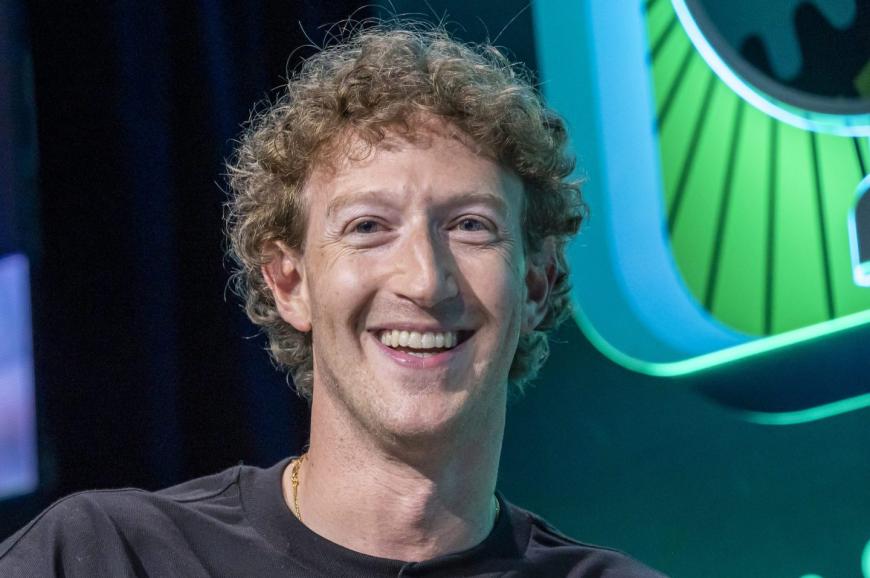 Meta CEO Mark Zuckerberg unveiled a bold new direction for the company’s artificial intelligence ambitions on Wednesday, introducing the concept of “personal superintelligence” — AI designed to help individuals achieve their personal goals, not just optimize productivity or economic output.
In an open letter, Zuckerberg outlined how Meta plans to develop this vision and subtly signaled a shift in the company’s open source philosophy around AI. “We believe the benefits of superintelligence should be shared with the world as broadly as possible,” he wrote. “That said, superintelligence will raise novel safety concerns. We’ll need to be rigorous about mitigating these risks and careful about what we choose to open source.”
This nuanced change in language stands out. Meta has long promoted its Llama family of AI models as a more open alternative to offerings from rivals like OpenAI, Google DeepMind, and xAI. The company positioned its approach to open models as a key differentiator — one not constrained by monetization pressures thanks to its ad-based business model. But now, openness may no longer be the default for Meta’s most advanced models.
That’s a notable evolution from Zuckerberg’s 2024 stance, when he stated Meta aimed for Llama to become “the most advanced in the industry.” Even then, he left the door open for flexibility, noting in a podcast that if future models proved too powerful or risky, Meta might choose not to open source them.
Critics have pointed out that Meta’s models have never been fully open in the strictest sense — key components like training datasets remain undisclosed. Nonetheless, Zuckerberg’s latest comments suggest Meta’s priorities are shifting. Instead of focusing solely on openness, the company appears increasingly intent on competing head-to-head with closed-model giants.
This strategic pivot comes amid a broader transformation within Meta’s AI division. In June 2025, Meta signaled its AGI ambitions with a $14.3 billion investment in Scale AI, an acquisition of its CEO, and the creation of a new division: Meta Superintelligence Labs. The company has since poured billions into recruiting top AI talent and expanding its infrastructure.
Recent reports indicate Meta has paused testing on its latest Llama model, codenamed Behemoth, to focus instead on a closed-source alternative. This marks a notable shift from its original approach and likely reflects internal pressure to catch up with — or surpass — rivals like OpenAI’s GPT-4.
Yet Meta’s AI strategy is not just about competition. Zuckerberg’s vision for AI emphasizes personal empowerment over enterprise automation. “Personal devices like glasses that understand our context — because they can see what we see, hear what we hear, and interact with us throughout the day — will become our primary computing devices,” he wrote.
This suggests Meta aims to integrate its most advanced AI into its own ecosystem, particularly through augmented and virtual reality products. Rather than licensing or selling access to AI models, the company may be positioning itself to deliver “personal superintelligence” through exclusive in-house experiences.
A Meta spokesperson reiterated the company’s commitment to open source, saying, “We plan to continue releasing leading open source models. We haven’t released everything we’ve developed historically and we expect to continue training a mix of open and closed models going forward.”
That balance — between open and closed, idealism and pragmatism — may ultimately define Meta’s next chapter in the AI race. As superintelligence becomes more than a theoretical milestone, Zuckerberg is making clear that Meta wants to lead, on its own terms.
|
|
|
Sign Up to
Our Newsletter!
Get the latest news in tech.
|
|
|
