|
|
|
|
August 21, 2025
|
Hackers Infiltrate Alleged North Korean Operative’s Computer, Leak Evidence of...
|
|
August 21, 2025
|
Ecosia Proposes Unusual Stewardship Model for Google Chrome
|
|
August 21, 2025
|
OpenAI Presses Meta for Evidence on Musk’s $97 Billion Takeover Bid
|
|
August 15, 2025
|
ChatGPT Mobile App Surpasses $2 Billion in Consumer Spending, Dominating Rivals
|
|
|
Jack Dorsey’s Bluetooth Messaging App Bitchat Raises Eyebrows Over Security and Impersonation Risks
July 29, 2025
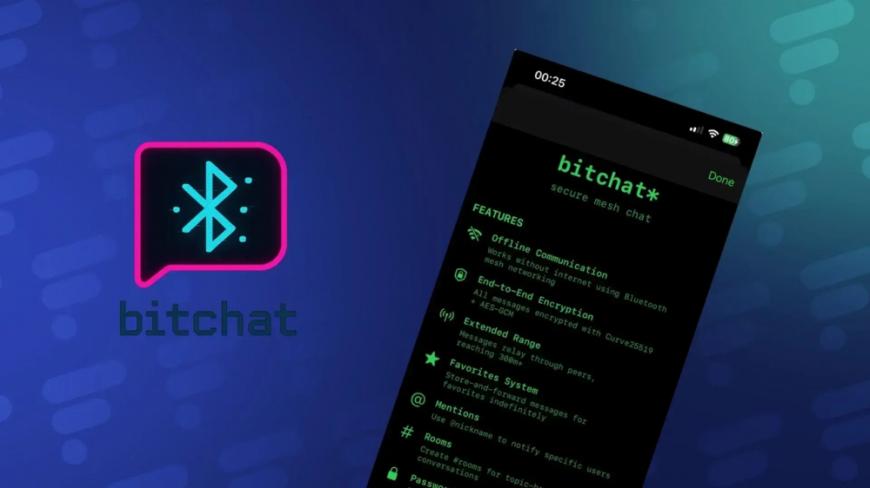 Bitchat, a new Bluetooth-based messaging app created by Twitter and Block founder Jack Dorsey, is now available for download on the iOS App Store — but not without raising significant security concerns and user confusion.
Dorsey says he built the initial version of Bitchat in just a weekend in early July, framing it as a minimalist and privacy-focused alternative to traditional messaging platforms. The app allows users to chat with others in proximity using a Bluetooth mesh network, which doesn’t require Wi-Fi or mobile data. This makes Bitchat useful in low-connectivity environments, such as music festivals, natural disasters, or political protests.
The user interface is barebones by design. There is no login, no encryption setup, and no user verification. Users are simply dropped into a chat window where they can view messages from nearby devices and choose a changeable display name — an approach that, while frictionless, also opens the door to spoofing and impersonation.
While the app’s decentralized, offline model has attracted attention, especially given Dorsey’s reputation for championing open protocols and digital privacy, experts are already flagging serious security flaws.
Security researcher Alex Radocea published a blog post warning that Bitchat’s lack of identity verification makes it trivial to impersonate other users, undermining its claims of security and trustworthiness. “In cryptography, details matter,” Radocea wrote. “A protocol that has the right vibes can have fundamental substance flaws that compromise everything it claims to protect.”
Dorsey has acknowledged that the app hasn’t undergone an external security audit, admitting that vulnerabilities may exist. The transparency has been appreciated by some in the tech community, but it also reinforces concerns about the app’s readiness for widespread use — especially in contexts where users may rely on anonymity and integrity for their safety.
Adding to the confusion is the emergence of fake versions of Bitchat on the Google Play Store, even though the official Android version is only available via GitHub. These unauthorized clones have racked up thousands of downloads, potentially exposing users to further privacy and security risks. While Dorsey has yet to comment directly, he reposted a warning from another user reminding people that Bitchat is not yet on Google Play and to "beware of fakes."
Despite the flaws, Bitchat taps into a growing demand for offline-first, decentralized communication tools. However, experts argue that if Bitchat is to become a reliable platform for secure communication, it will need more than a weekend’s worth of code — it will require rigorous security testing, identity protections, and clear guidance for users navigating an ecosystem prone to impersonation.
As it stands, Bitchat may have “the right vibes,” but it has a long road ahead before it can deliver on its promise of secure, peer-to-peer communication.
|
|
|
Sign Up to
Our Newsletter!
Get the latest news in tech.
|
|
|
